

-
Faculty of Arts and HumanitiesJakobi 2, r 116-121, 51005 Tartu linn, Tartu linn, TartumaaJakobi 2, 51005 Tartu linn, Tartu linn, TartumaaJakobi 2, IV korrus, 51005 Tartu linn, Tartu linn, TartumaaJakobi 2, III korrus, ruumid 302-337, 51005 Tartu linn, Tartu linn, TartumaaÜlikooli 16, 51003 Tartu linn, Tartu linn, TartumaaÜlikooli 18, 50090 Tartu linn, Tartu linn, TartumaaLossi 3, 51003 Tartu linn, Tartu linn, TartumaaPosti 1, 71004 Viljandi linn, ViljandimaaJakobi 2, 51005 Tartu linn, Tartu linn, TartumaaJakobi 2, 51005 Tartu linn, Tartu linn, TartumaaFaculty of Social SciencesLossi 36, 51003 Tartu linn, Tartu linn, TartumaaJakobi 5, 51005 Tartu linn, Tartu linn, TartumaaLossi 36, ruum 301, 51003 Tartu linn, Tartu linn, TartumaaNarva mnt 18, 51009 Tartu linn, Tartu linn, TartumaaNäituse 2, 50409 Tartu linn, Tartu linn, TartumaaNäituse 20 - 118, 50409 Tartu linn, Tartu linn, TartumaaLossi 36, 51003 Tartu linn, Tartu linn, TartumaaRaekoja plats 2, 20307 Narva linn, Ida-VirumaaLossi 36, 51003 Tartu linn, Tartu linn, TartumaaLossi 36, 51003 Tartu linn, Tartu linn, TartumaaFaculty of MedicineRavila 19, 50411 Tartu linn, Tartu linn, TartumaaBiomeedikum, Ravila 19, 50411 Tartu linn, Tartu linn, TartumaaNooruse 1, 50411 Tartu linn, Tartu linn, TartumaaL. Puusepa 1a, 50406 Tartu linn, Tartu linn, TartumaaL. Puusepa 8, 50406 Tartu linn, Tartu linn, TartumaaRavila 19, 50411 Tartu linn, Tartu linn, TartumaaUjula 4, 51008 Tartu linn, Tartu linn, TartumaaRavila, 50411 Tartu linn, Tartu linn, TartumaaRavila 19, 50411 Tartu linn, Tartu linn, TartumaaFaculty of Science and TechnologyVanemuise 46 - 208, 51003 Tartu linn, Tartu linn, TartumaaNarva mnt 18, 51009 Tartu linn, Tartu linn, TartumaaRavila 14a, 50411 Tartu linn, Tartu linn, TartumaaNarva mnt 18, 51009 Tartu linn, Tartu linn, TartumaaRiia 23, 23b - 134, 51010 Tartu linn, Tartu linn, TartumaaNooruse 1, 50411 Tartu linn, Tartu linn, TartumaaJ. Liivi tn 2, 50409 Tartu linn, Tartu linn, TartumaaRiia 23b/2, 51010 Tartu linn, Tartu linn, TartumaaVanemuise 46, 51003 Tartu linn, Tartu linn, TartumaaVanemuise 46, 51003 Tartu linn, Tartu linn, TartumaaArea of RectorArea of Vice Rector for Academic AffairsUppsala 10, 51003 Tartu linn, Tartu linn, TartumaaÜlikooli 18b, 51005 Tartu linn, Tartu linn, TartumaaÜlikooli 18a (III korrus), 51005 Tartu linn, Tartu linn, TartumaaArea of Vice Rector for ResearchW. Struve 1, 50091 Tartu linn, Tartu linn, TartumaaArea of Director of AdministrationÜlikooli 18, ruumid 102, 104, 209, 210, 50090 Tartu linn, Tartu linn, TartumaaÜlikooli 18A (III korrus), 51005 Tartu linn, Tartu linn, TartumaaArea of Head of FinanceÜlikooli 17, 51005 Tartu linn, Tartu linn, TartumaaArea of Vice Rector for DevelopmentLossi 25, 51003 Tartu linn, Tartu linn, TartumaaVanemuise 46, 51003 Tartu linn, Tartu linn, TartumaaNarva mnt 18, 51009 Tartu linn, Tartu linn, TartumaaArea of Academic SecretaryUppsala 6, Lossi 36, 51003 Tartu linn, Tartu linn, Tartumaa

Woodworking: Bent Wood Box *
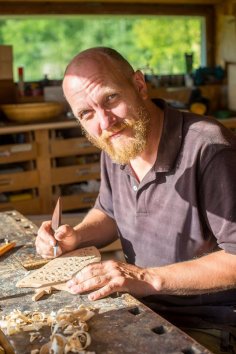
Instructor: Meelis Kihulane
Bent wood boxes are a traditional type of container with a long history. In Estonia, the earliest examples of these containers, made from thin wooden strips or boards and then stitched together, date back to the 13th century. Historically, people used bent-wood items for many purposes: large boxes and baskets (hampers) were used for keeping food and clothing; sieves and sifters were used in the household for preparing food; and smaller, decorated boxes were used as jewel cases.
This workshop is a great opportunity to get hands-on experience and learn about working with wood. Participants will make a small, lightweight bent wood box with a diameter of 10–15 centimeters. We use thin strips (shreds) of ash or oak wood. The ends of the strip are bent to form a circle and then sewn together using natural materials like roots or feathers. The wood is first made flexible by soaking it in hot water or treating it with steam. A wooden lid and bottom (made of birch or alder) are attached using small wooden pegs (dowels). The fee covers all materials needed for one box and the use of all tools.
Work is mainly done using hand tools such as a knife, saw, chisel, and bradawl (a small tool for making holes). No previous woodworking experience is needed to attend this course. Participants should have an average ability to handle basic hand tools.
Meet the instructor
Meelis Kihulane is a dedicated guardian of Estonian traditional woodcraft heritage. For over 15 years, he has focused on studying and experimenting with historic Estonian folk methods. This involves working with heritage tools, using only local materials, and researching and recreating ancient objects.
Meelis actively shares his knowledge: he teaches folk woodworking and furniture making courses daily at his Edeva Eremiidi Woodworking School and also gives lectures and training sessions on the subject throughout Estonia. Meelis’ primary mission is to keep Estonian woodcraft heritage and skills alive. Furthermore, in collaboration with the Estonian National Museum, he is the author of the published book, “Vakad, karbids, sõelad” (Containers, Boxes, Sieves. Making Bent-wood Items).
Image

| Image

Image

|
